
How Technology Is Shaping Investor Behavior
How To InvestVideo from Focus Partners Advisor Solutions
This video is about investor behavior, and how it’s changed over the past 10 to 20 years. Now, this change in behavior could have real implications for both how efficient markets are, and for the returns that investors actually earn.
How has investor behavior changed over the last 20 years?
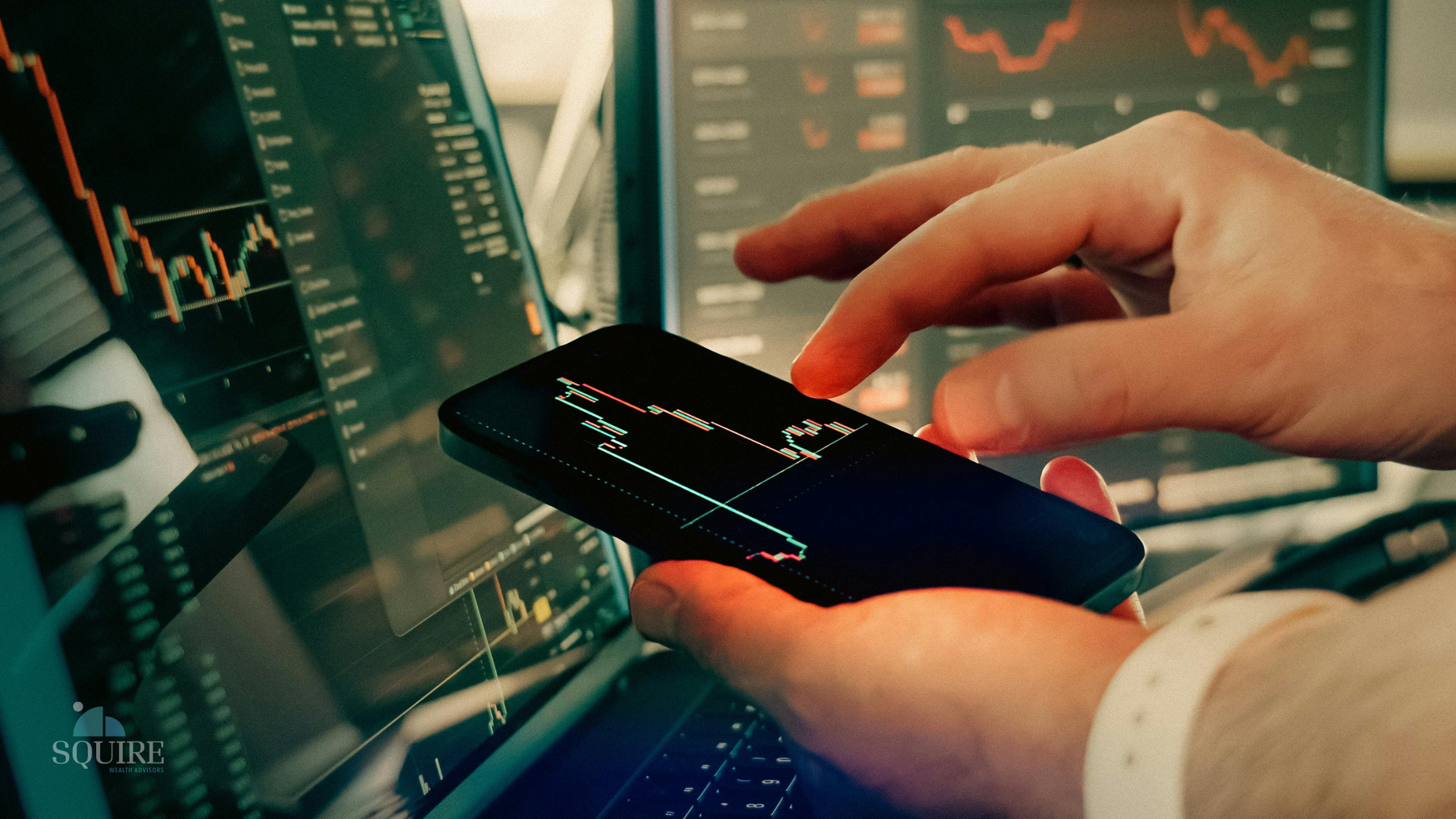
As I reflect back on when I entered the industry nearly 20 years ago now, back then, most investors held diversified portfolios of mutual funds and maybe a handful of individual stocks. They would trade maybe two to three times per year. You contrast that with today, where now investors have access to apps on their phone that allow them to trade multiple times per day if they would like.
And that same device, the phone, allows them to have access to real-time news. I think it’s fair to say that everyone is just more plugged in now than they were 20 years ago, and even disciplined investors can get caught reacting to short-term news.
In terms of the evidence to support this change in investor behavior, we observe shorter holding periods for both individual stocks and exchange-traded funds than what we would have seen 10 and 20 years ago.
What role has technology played and what are the consequences?
Over the last few years alone, we’ve seen different themes capture investor attention, and therefore capture investor flows—things like artificial intelligence stocks, or things like cryptocurrencies. Unfortunately, social media rewards confidence over accuracy, which can fuel investor overreactions.
In terms of the consequences of this change in investor behavior, we’ve seen a rise in the volatility of individual stock prices, as well as a rise in the volatility of investor emotions.
Behavioral mistakes, like buying high and selling low, happen more often when feedback loops are short. It is possible, as AQR’s Cliff Asness has argued, that over the past 20 to 30 years, that markets have become less informationally efficient due to the advent of social media.
How can investors combat this change in investor behavior?
- Number one, it’s important to build friction back into your process. So, decide to review your portfolio at pre-planned intervals and stick to that cadence. Whether that’s once a year, once a quarter, or even monthly, that would be better than checking your portfolio and refreshing your app multiple times per day.
- Second, I think it’s important to emphasize process over prediction and be sure to not confuse strategy with outcome.
- I think a systematic approach, grounded in evidence and implemented consistently, can help reduce the emotional noise.
What can investors take away from these trends?
To close, markets generally evolve with technology, markets evolve with changes in policy, they evolve with innovation, but human emotions tend not to change, which may be part of the reason why we see factor premium, like value and momentum, continue to persist despite decades of academic evidence showing that they exist.
The key is understanding how these emotions show up today so that we can avoid repeating the same mistakes in a now faster, louder environment that we might have lived with 10 to 20 years ago. If you do have any questions on anything I’ve covered in today’s video, please don’t hesitate to reach out to your advisor.